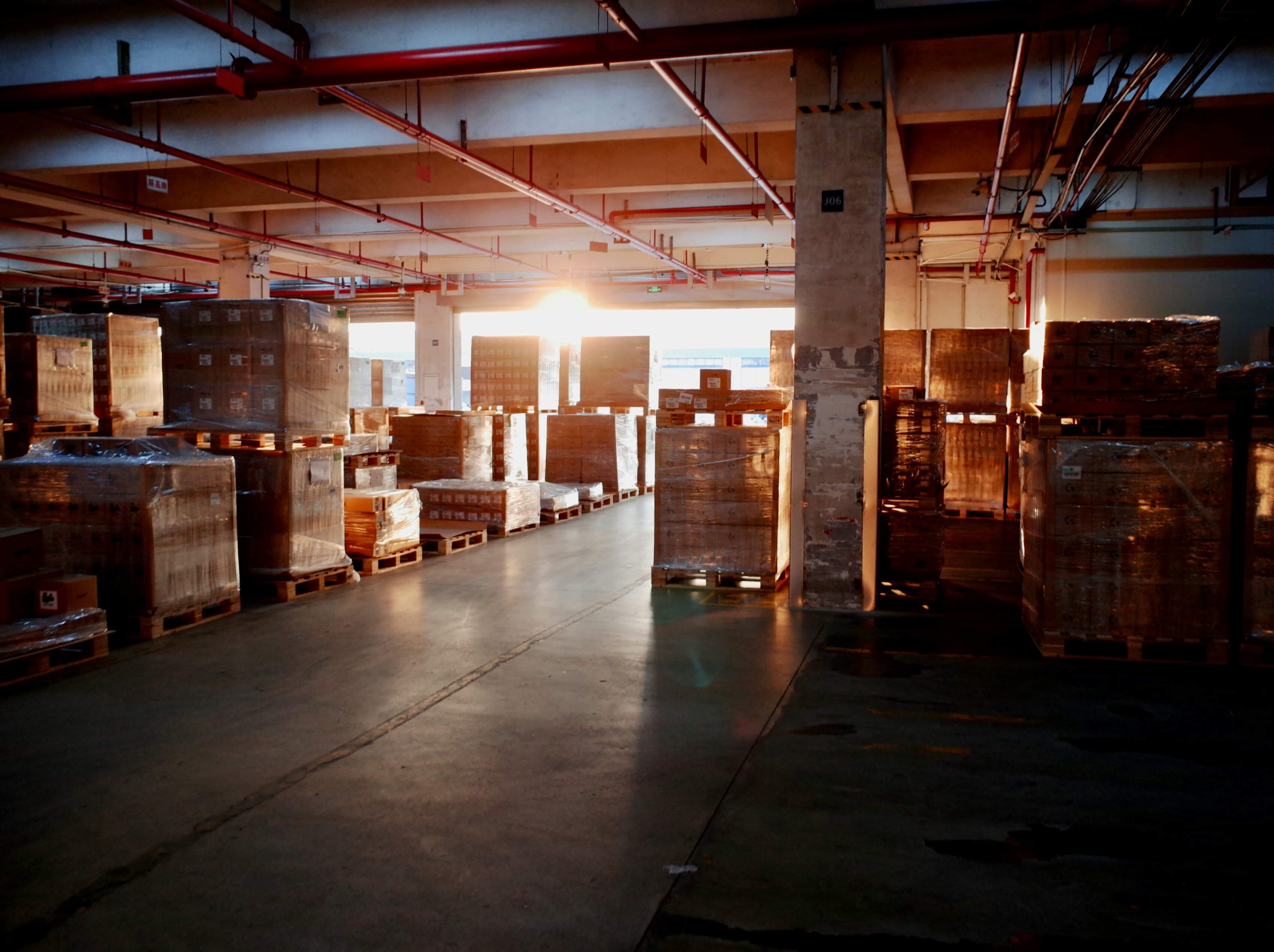
Retailers need stock available for customers without allowing reserve inventory to take over the shop, backroom or dispatch area. Supplier deliveries, changing ranges, promotions and online orders can all place different demands on the same space. The right retail storage arrangement depends on where stock is sold, how often it needs to move and which tasks your team wants to keep handling.
Extra warehouse space can hold reserve goods and support planned replenishment to your existing operation. If you also need customer orders picked, packed and shipped, retail fulfilment adds a separate operating requirement. Distinguishing those needs helps you compare a storage allocation with a managed service and avoid choosing space that cannot support the movements your business depends on.
FlexSpace helps retailers assess storage and fulfilment around their products, sales channels and delivery locations. We’ll work through receiving, replenishment, order handling and expected stock changes with you, then help compare suitable options. Seasonal overflow can form part of that plan alongside the inventory you hold throughout the year.
Discuss Storage And Fulfilment For Your Retail Business
Retail Storage For Backroom Stock, Replenishment And Online Orders
Begin with where each product needs to be available. Stock used on the shop floor, goods reserved for store replenishment and products sold online may follow different handling routines. Moving reserve pallets elsewhere is useful when the release process can keep those destinations supplied.
Map the stock you normally hold, the quantity kept at each selling location and the replenishment frequency. Add the changes created by supplier deliveries, range launches and promotions. That gives you a year-round requirement with identifiable peaks, rather than treating every shortage of space as the same problem.
- Keep working stock close to the store or dispatch operation that uses it.
- Identify reserve goods that can move through scheduled pallet or carton releases.
- Separate store replenishment from individual online customer orders.
- Record seasonal increases, range changes and any temporary storage end dates.
Compare Retail Storage And Fulfilment Options
Choose around the work your team needs help with. Shared space supports your own stock handling where permitted; managed storage adds agreed receiving and releases; fulfilment covers the customer-order tasks included in the service.
A dedicated warehouse may suit a sustained operation with the staff and control requirements to justify it. Compare its full commitment with shared or managed options using the same stock, replenishment and customer-order profile.
Plan Retail Receiving, Store Replenishment And Customer Orders
Connect supplier arrivals with the destinations the stock will serve. Agree the responsibilities at each stage so the store, warehouse and online team work from consistent instructions.
- Receive deliveries: Share products, quantities, packing formats and arrival dates. Establish who books the carrier, unloads the goods and records the stock received.
- Allocate inventory: Identify what is available for stores, online orders and reserve holding. Define how allocations change when a promotion or customer commitment changes demand.
- Replenish and dispatch: Agree release quantities, notice and transport for store stock. Where fulfilment is included, define how customer orders reach the operation and how dispatch information returns.
- Review the range and capacity: Reconcile remaining stock, revisit replenishment levels and plan increases or reductions. Temporary seasonal allocations also need a final collection and notice plan.
Our seasonal inventory storage guide provides more detail on sizing and preparing an overflow requirement.
Storage And Fulfilment Use Cases For Retailers
Reserve Stock Overcrowds A Store Backroom
Keep a practical working quantity in the store and assess off-site storage for reserve cartons or pallets. Set the replenishment quantity and notice around actual sales. The arrangement needs to support store staff without making every small stock request a separate urgent trip.
A Retailer Sells In Store And Online
Separate the work involved in supplying the shop from picking customer parcels. If both channels draw on the same products, agree stock allocation and reporting before handing over orders. A storage arrangement that releases pallets alone may not cover the online picking and returns work you need.
Seasonal Buying Creates A Temporary Stock Peak
A holiday range or promotion can require extra capacity alongside the retailer’s normal operation. Define first arrivals, maximum stock and planned final collections, then build a replenishment routine around the selling period. Include a decision for goods that remain after the campaign.
How To Choose Warehouse Storage And Fulfilment For Retail Stock
Bring stock, sales channels and movement requirements into the same discussion:
- Capacity: Normal and peak pallets, cartons or floor space, including product dimensions and range changes.
- Locations: Stores, warehouse and customer delivery areas, with transport frequency between them.
- Receiving: Delivery windows, booking rules, unloading and arrival records.
- Replenishment: How to request goods, minimum release quantities and retrieval notice.
- Order work: Whether you need reserve-stock releases, individual customer orders, returns or a combination.
- Terms: Billing, minimum commitments, changes in capacity and final stock removal.
Use representative store replenishments and online orders when comparing options. The written scope should show which movements are included, who updates the stock records and which tasks remain with your team.
Retail Storage And Fulfilment Costs: Compare Space And Stock Movements
Compare quotes using the same normal month and busy period. Include the stock held, incoming deliveries, store replenishments and any customer orders. Ask how changing quantities affect storage billing and whether the charge is based on reserved space, occupancy or another agreed measure.
Include receiving, unloading, storage, stock releases and transport between locations. For fulfilment, add picking, packing, packaging, shipping, returns and setup where applicable. Frequent small transfers can change the total even when the storage rate appears attractive.
Assess slower-moving ranges separately from goods needed for regular replenishment. Our guide to dead storage and active inventory explains how movement frequency affects the setup. Seasonal capacity also needs clear extension and exit terms.
How FlexSpace Helps Retailers Match Storage And Fulfilment
Our co-warehousing service and broader storage options help retailers explore space for stock they continue to manage themselves. We start with the products, locations and replenishment routine, then assess the access and handling required.
For retailers handing over online order preparation, our ecommerce fulfilment service provides a route to assess picking, packing, shipping and returns. We’ll help clarify the scope with a suitable operation, including the stock allocation and handoffs between warehouse, store and customer orders.
Storage And Fulfilment FAQs For Retailers
Should I Choose Retail Storage Or A Fulfilment Service?

Can I Keep Working Stock In My Store And Reserve Stock Elsewhere?
Can One Setup Support Store Replenishment And Online Orders?
Can Retail Storage Expand For Seasonal Stock?
How Should Retail Replenishment And Returns Be Organized?
Which Charges Belong In A Retail Storage Or Fulfilment Quote?
Find Storage And Fulfilment For Your Retail Operation
Share store locations, products, normal and peak stock, supplier arrivals and replenishment needs. Include online orders and returns so we can assess the space and handling required.