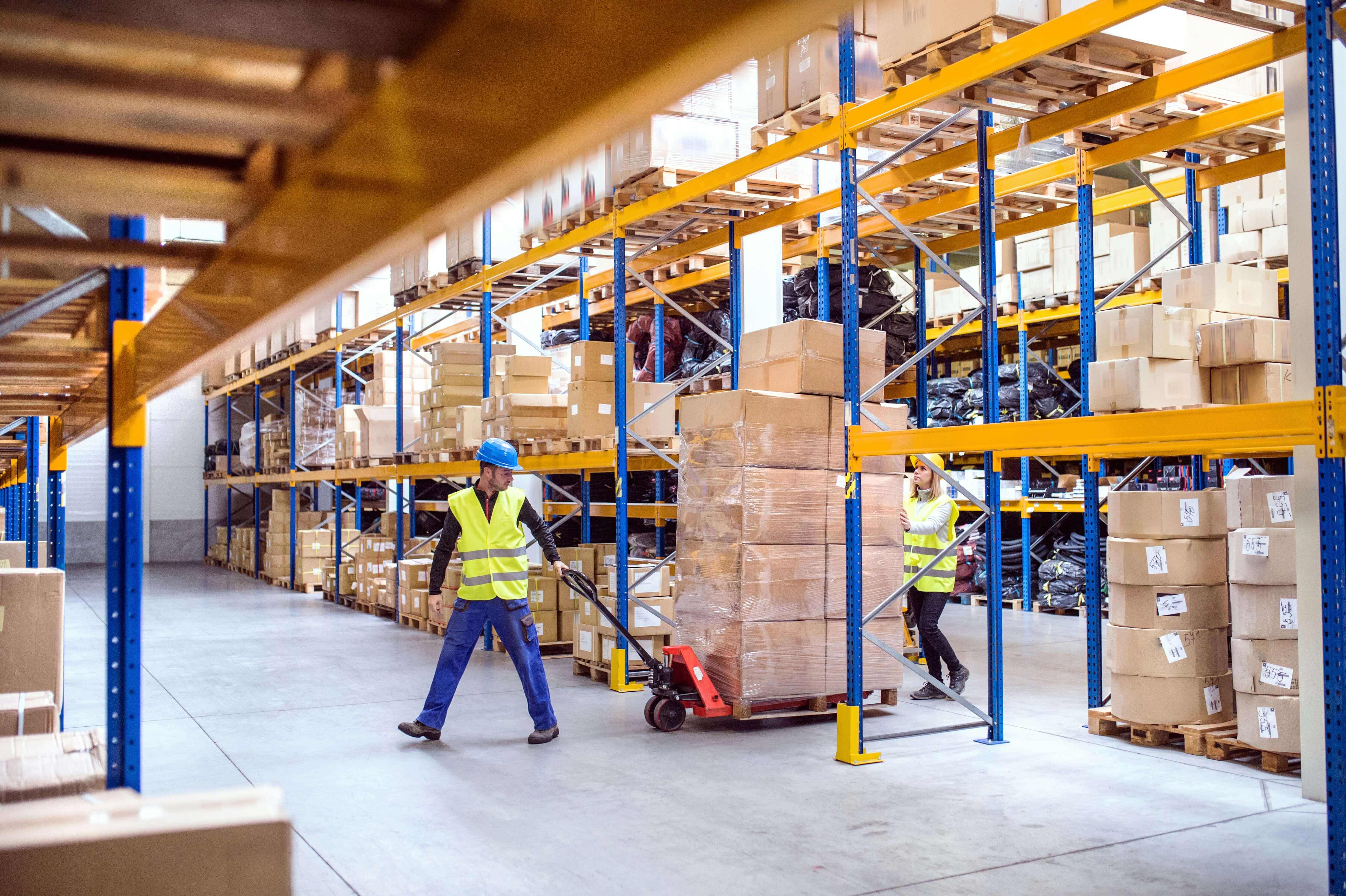
Distributors need warehouse space that supports the way stock moves between suppliers and customers. Pallets may arrive in larger quantities than customers order, while repeat replenishments create ongoing receiving and release work. A useful pallet storage arrangement gives each product a clear stock position and connects that inventory with the handling and carrier handoffs your orders require.
The right setup depends on whether customers buy whole pallets, cartons or mixed quantities, how frequently they order and where deliveries need to go. A local stock position may support an established customer base or help assess a new market. In either case, receiving, authorized releases, inventory records and transport responsibilities need to work together.
FlexSpace helps distributors assess pallet storage and related logistics requirements around their products and customer locations. We’ll work through inbound replenishment, stock holding and outbound handling so you can compare suitable warehouse options. Where freight is needed, we can also help assess the transport arrangements alongside the storage requirement.
Discuss Storage And Distribution For Your Business
Pallet Storage That Supports Distributor Orders And Replenishment
Start with the customers the stock will serve and the units they order. A warehouse that receives full pallets may suit bulk holding but still need different handling to prepare carton releases or mixed orders. Your inventory and order profile should determine the service scope.
Define the operating requirement before selecting space:
- The products, customer locations and delivery requirements the stock will support.
- Normal and peak pallet quantities, SKU count and supplier replenishment frequency.
- Whether orders require whole pallets, cartons or individual items.
- How stock availability, reservations and completed releases will be recorded.
- The expected duration, capacity changes and arrangements for stock removal.
Compare Storage And Distribution Models For Your Customer Base
Compare the full operating cost using the same stock and orders. Holding inventory closer to customers changes the freight pattern and adds local receiving and release work. The value depends on the customer requirements and total workflow, not the warehouse address alone.
How Pallet Receiving, Replenishment And Customer Releases Work
Treat the warehouse allocation as a defined stock location. Establish product references, opening quantities and the records your team needs before the first delivery. Include how incoming replenishments, customer commitments and available stock will be distinguished.
- Receive initial stock: Agree inbound bookings, pallet labels, counts and condition records.
- Authorize releases: Name the contacts who can request stock and the information each request must contain.
- Prepare the order: Confirm whether the warehouse can release whole pallets, pick cartons or perform other required handling.
- Book collection: Assign carrier booking, shipment details and any customer delivery appointments.
- Review and replenish: Reconcile stock and releases, review demand and decide what to reorder or reposition. Include slower products in the review so they do not absorb capacity indefinitely.
For LTL pickups, the warehouse and carrier need consistent quantities, dimensions, weights and readiness details. Our freight and logistics services cover options to discuss alongside storage.
Pallet Storage And Logistics Use Cases For Distributors
Hold A Core Range Near Established Customers
Use expected customer orders to choose the range and quantities held locally. Agree how supplier arrivals and stock releases are recorded. If customers buy cartons, include carton picking in the scope instead of assessing a whole-pallet rate as though it covered every order.
Replenish Retail Customers From Local Stock
Repeat releases require more than occasional collections. Agree the order instructions, notice, labels and delivery requirements with the warehouse and carrier. Review whether receiving and release schedules support the promises your sales team makes.
Test A New Market With A Limited Stock Position
Define the products, customers and review period before moving stock. Compare local storage with dispatch from your existing base, including replenishment and final removal. If demand is lower than expected, use the agreed notice, counts and transport arrangements to reduce or end the local allocation.
How To Choose Pallet Storage For Distributor Inventory
Assess the location against your customer orders and the work the warehouse needs to perform:
- Product fit: Goods, pallet dimensions, weights and any special storage conditions.
- Handling fit: Whole-pallet releases, carton picks and any customer-specific preparation.
- Stock visibility: What records or reports are available and how discrepancies are resolved.
- Order instructions: Authorized contacts, release details and request deadlines.
- Carrier access: Bookings, loading equipment and handoff responsibility.
- Commercial terms: Minimum commitment, adjustment rules and final stock removal.
Agree how local stock will be reconciled with transfers and orders at your existing base. A regular review should show what is on hand, what is reserved and what is awaiting release.
Pallet Storage And Distribution Costs: Compare The Full Workflow
Include supplier or transfer freight, receiving, storage, customer releases and any carton picking or pallet preparation. Add customer delivery, repeated replenishments and eventual stock removal. The handling basis should reflect the order sizes and preparation your customers actually require.
Use the same stock levels, order mix and operating period when comparing options. A storage rate alone does not show the cost of maintaining a distributor stock position. Our guide to growing beyond one-off long-haul bookings explains related questions about repeated lanes and carrier coordination.
How FlexSpace Helps Distributors Assess Warehousing And Logistics
Our warehouse storage service is a starting point for matching distributor inventory and movement frequency to a suitable facility. We’ll discuss supplier arrivals, stock quantities, customer locations and the releases the operation needs to prepare.
Where freight is part of the requirement, we can also help assess suitable logistics partners. Warehouse handling and carrier services need a clear handoff, with the available capability and commercial terms confirmed for the selected operation.
Pallet Storage FAQs For Distributors
Can I Start With A Small Pallet Allocation?

Can Stock Be Released To Different Customers?
Can A Warehouse Support Carton And Pallet Orders?
How Are LTL Pickups Coordinated?
How Should I Plan Replenishment And Stock Reviews?
When Should I Consider A Dedicated Warehouse?
Find Pallet Storage And Logistics Support For Your Distribution
Tell us the products, customer delivery areas, normal and peak pallets, SKU count and expected releases. Include supplier arrivals, replenishment frequency, handling requirements and the period you need storage. We’ll use those details to assess suitable warehouse and freight options.