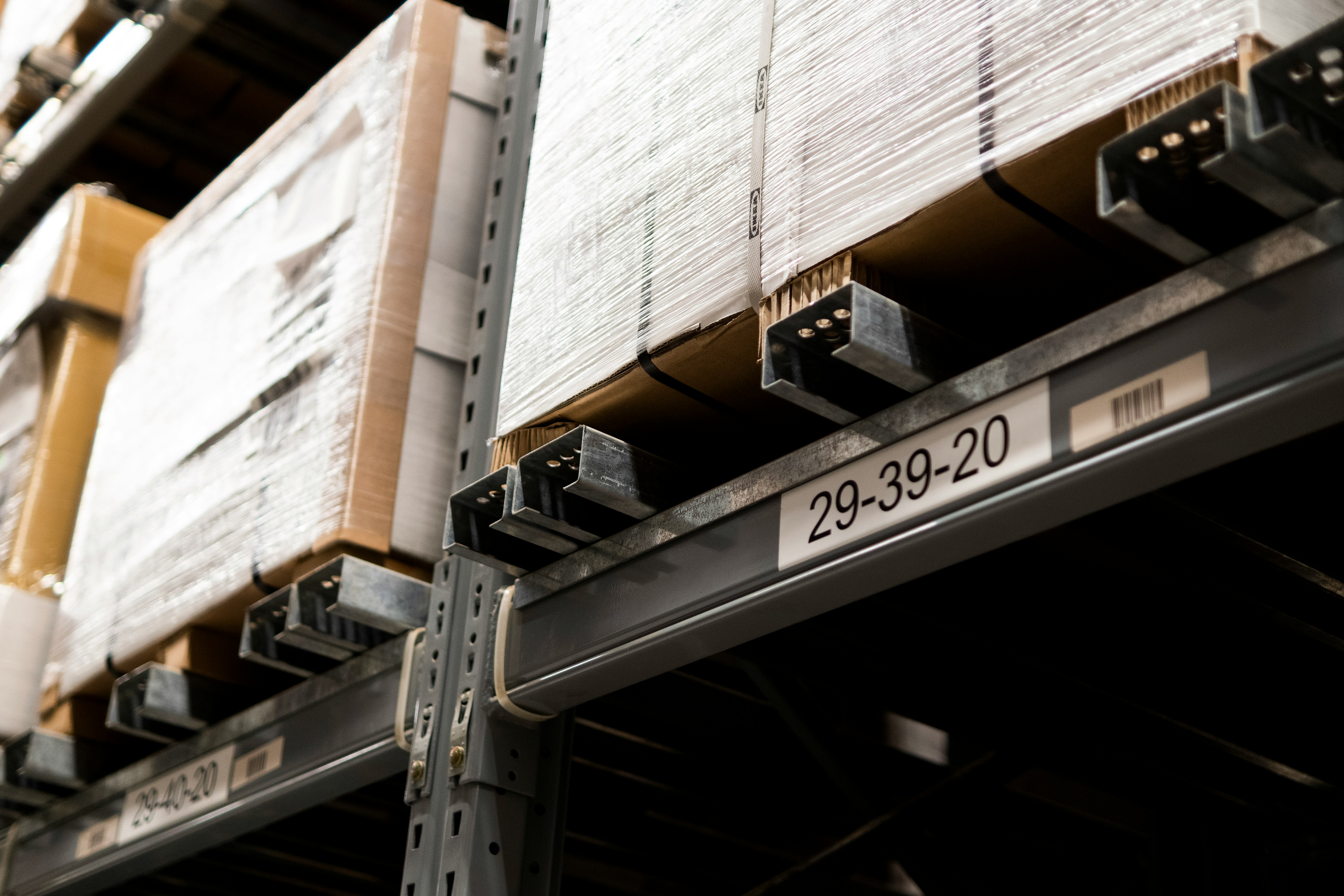
Finding industrial space in the Greater Toronto Area has become a nightmare for growing businesses. Vacancy rates are at historic lows, rental costs continue climbing, and traditional leases lock you into commitments that cripple cash flow. The competitive logistics landscape in Toronto demands a different approach. Businesses that need flexible warehousing in Toronto are discovering that on-demand solutions provide the operational freedom required to scale in today's market. This shift is about finding the right space at the right time without the wrong commitments.
The Current State Of Industrial Real Estate In The GTA
The Greater Toronto Area warehouse market is experiencing unprecedented pressure. Small to mid-sized businesses face vacancy rates hovering below 2% in prime industrial zones across Mississauga, Brampton, and Etobicoke.
The competition is fierce.
E-commerce growth has accelerated demand for warehouse space faster than new facilities can be built. Distribution centers that once served regional needs now struggle to keep pace with same-day delivery expectations.
Meanwhile, established players with deep pockets snap up long-term leases, leaving smaller operators fighting over scraps.
This environment forces business owners into impossible decisions. Do you commit to expensive space you might not need in six months? Do you pass on growth opportunities because you lack infrastructure?
The current industrial real estate market is reshaping how businesses think about their entire supply chain strategy.
Navigating Low Vacancy Rates And High Rental Costs
Entry-level and mid-sized businesses find themselves priced out before negotiations start. Rental rates in the GTA have increased by double digits year-over-year in some submarkets.
A 5,000 square foot space that cost $8 per square foot three years ago now commands $12 or more.
Traditional commercial leases come with financial barriers beyond base rent:
- Common area maintenance fees
- Property taxes and municipal charges
- Insurance requirements
- Utility costs and operational expenses
- Security deposits requiring months of rent upfront
Advertised rates do not reflect true occupancy costs. Hidden expenses emerge during lease negotiations, and businesses without real estate expertise find themselves locked into unfavorable terms.
The Hidden Risks Of Rigid Long-Term Leases
The danger of commitment extends beyond monthly payments. Standard commercial leases in the GTA typically require 3 to 5 year terms with limited flexibility for early termination.
Seasonal businesses face the worst of this burden.
A company experiencing peak demand in Q4 must continue paying for full capacity through Q1, Q2, and Q3 when they need a fraction of the space.
The business landscape changes rapidly. Customer preferences shift, supply chains get disrupted, and market conditions evolve.
A lease signed based on today's projections may become a liability within months. Businesses need agility to scale up during growth and contract during downturns.
Traditional leases eliminate this option.
Understanding The Shift To On-Demand Logistics
On-demand logistics represents a fundamental rethinking of how businesses access warehouse infrastructure. For business owners in Toronto, this model means treating warehouse space like a utility rather than a fixed asset.
This approach solves the core problem traditional leasing creates. Instead of committing to space based on projected peak demand, businesses can dynamically adjust their footprint as conditions change. The on-demand model provides operational freedom to respond to market realities without the anchor of long-term obligations.
How Flexible Warehousing Differs From Traditional Models
Traditional warehouse leasing assumes businesses can accurately predict space needs years in advance. Flexible warehousing acknowledges this assumption no longer holds true.
The fundamental difference lies in contract structure:
- Month-to-month agreements replace multi-year commitments
- Space allocation adjusts with minimal notice
- No penalty for scaling down
- Immediate expansion when opportunities arise
- Minimal legal paperwork required
This creates frictionless scaling. When a business lands a major contract requiring additional inventory storage, they can expand immediately without negotiating new leases or waiting for construction.
When market conditions soften, they can contract without penalty.
Benefits For E-Commerce And Small Businesses
E-commerce merchants gain immediate advantages from flexible warehousing. Online retail operates in cycles that traditional warehouse leasing cannot accommodate.
November and December might require triple the space needed in February and March.
Flexible models allow e-commerce businesses to scale storage capacity for Black Friday and holiday shopping without carrying excess capacity costs through the first quarter.
This agility translates directly to profitability.
Smaller businesses benefit from reduced barriers to entry. A startup does not need to commit to 5,000 square feet to compete.
They can start with 500 square feet and grow incrementally. This levels the playing field, allowing smaller players to offer the same shipping speeds as established competitors with dedicated facilities.
Strategic Advantages Of Toronto-Based Fulfillment
Contract flexibility means nothing if your warehouse sits in the wrong location. The strategic advantages of Toronto-based fulfillment extend beyond simple geography. The GTA serves as Canada's economic engine and largest consumer market.
Having inventory positioned in Toronto provides access to nearly 7 million potential customers within the metropolitan area. Toronto's position as a transportation hub means goods stored here can reach most of Southern Ontario within hours and other Canadian markets within days.
Proximity To Major Transport Hubs And Highways
Pearson International Airport processes the majority of Canada's air cargo. Warehouses located near Pearson provide direct access to international shipping lanes and overnight courier networks.
The 400-series highway network functions as the GTA's arterial system:
- Highway 401 runs east-west through the core industrial belt
- Highway 427 provides north-south access linking the airport to the lakeshore
- Highway 407 offers a bypass route that avoids downtown congestion
Facilities positioned near these highway interchanges reduce drayage costs and transit times.
A truck can leave a warehouse near the 401 and reach customers across the GTA without navigating residential streets or unpredictable traffic delays.
Overcoming Last-Mile Delivery Challenges In Urban Areas
Toronto traffic congestion creates last-mile delivery nightmares.
A package traveling from Vaughan to Liberty Village might spend more time stuck on the Gardiner Expressway than traveling from Vancouver to Toronto.
Decentralized warehouse networks solve this through geographic distribution. Instead of one large facility on the city's edge, businesses position inventory in multiple smaller locations closer to customers.
Flexible warehousing enables businesses to establish distributed networks without capital commitment. A company can test locations, measure delivery performance, and adjust based on results.
The ability to meet two-hour delivery windows depends on having inventory positioned close to customers.
Key Features To Look For In A 3PL Provider
Knowing you need flexible warehousing is the first step. Choosing the right partner determines whether that flexibility translates into business value.
Smart businesses evaluate potential partners based on specific criteria that extend beyond square footage and price per pallet. The right 3PL provider becomes an extension of your operations team. Focus on providers with proven track records serving businesses in your industry and size category.
Advanced Technology Integration And Real-Time Visibility
Technology separates competent warehouse providers from exceptional ones. Your flexible warehouse partner must offer systems providing real-time visibility into inventory levels, order status, and shipment tracking.
Integration capabilities matter as much as the technology itself. The warehouse management system should connect seamlessly with:
- E-commerce platforms
- Accounting software
- Shipping carriers
- Order management systems
- Customer relationship management tools
Manual data entry creates errors that eliminate efficiency benefits.
Look for providers offering cloud-based inventory management with accessible dashboards showing current stock levels and order processing status. This visibility becomes crucial when inventory is not in your own facility.
Without this technological infrastructure, flexible warehousing creates more problems than it solves.
Value-Added Services Like Kitting And Cross-Docking
Storage represents just one component of effective logistics. The best flexible warehouse partners offer value-added services that streamline operations and reduce total supply chain costs.
Cross-docking eliminates unnecessary storage steps by transferring incoming shipments directly to outbound carriers. This reduces handling costs and accelerates fulfillment.
Kitting services allow businesses to create product bundles without maintaining assembly operations.
These services become valuable for businesses operating on thin margins. Look for transparent pricing structures where services are clearly defined without hidden fees.
Quality flexible warehouse providers compete on transparency, knowing businesses value predictable costs as much as space flexibility.
FlexSpace Logistics: Your Partner For Frictionless Scaling
We built FlexSpace Logistics to solve the exact problems discussed throughout this article. We know the frustration of rigid leases, limited options, and warehouse providers that treat your business like a number.
Our network spans 530+ locations across Canada with access to 90+ trusted carriers.
When you need 100 square feet or 100,000 square feet in Toronto, we have solutions that fit. We operate on month-to-month agreements because we believe businesses should pay for space they actually use, not space they hoped to use when they signed a lease three years ago.
We have worked with everyone from entrepreneurs shipping products from apartments to major organizations like the Toronto Blue Jays requiring tens of thousands of square feet during facility renovations.
Every client gets responsive service, transparent pricing, and flexibility to scale operations based on real business needs rather than arbitrary contract terms. Our technology platform provides the visibility you need to maintain control over inventory, and our logistics network ensures products reach customers when and where they need them.

.jpg)